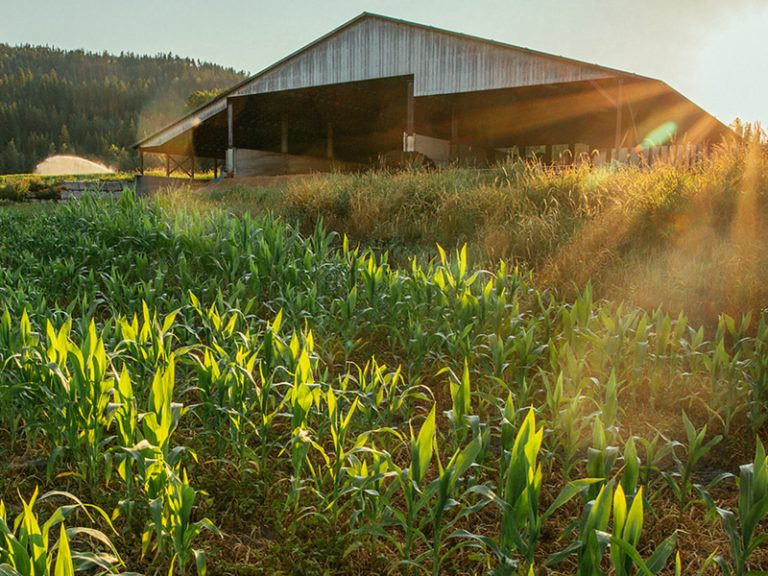
No food without water
Farmers and ranchers need guaranteed, reliable access to water, especially in times of drought and water scarcity.
Sign the letter and tell your local candidate to support an Agricultural Water Reserve in British Columbia.
Due to climate change, extreme weather is becoming more common, creating greater uncertainty for agriculture producers across British Columbia, and threatening our food security.
With a provincial election underway, now is the time to tell candidates from all parties to commit to protecting water for growing food and agricultural products.
It’s time for an Agricultural Water Reserve, to ensure farmers and ranchers have the water they need to fill our grocery shelves for generations to come.
We need your support.
Will you sign the letter and tell your local candidate to stand up for farmers and ranchers and support an Agricultural Water Reserve in BC?
Send this letter to the MLA candidates in your riding
Subject: Will you support Agricultural Water Reserves in BC?
Dear candidate –
I am a voter who supports agriculture and food security in British Columbia.
Food needs water to grow. Without water, there is no food.
As our climate continues to change and seasonal drought worsens, I am deeply concerned about access to water for agricultural producers across our province.
Farmers and ranchers contribute more than $1.7 billion to BC’s annual GDP, employing over 33,000 people. More importantly, our province depends on hard working farmers and ranchers to keep food on our grocery shelves.
Yet, the role of a agriculture producer is becoming harder without guaranteed access to water during times of drought. More and more operations are struggling to water their crops, irrigate their fields, and produce feed for their animals as a result of ongoing agricultural water shortages.
That’s why I am calling on you to support the implementation of Agricultural Water Reserves to safeguard water resources for farming and ranching purposes.
Agricultural Water Reserves would help to prioritize food-producing agriculture in times of water scarcity, providing for improved planning, water management, and economic stability for farmers and ranchers. Water reserves would also help to protect food security, ensuring a consistent and predictable supply for irrigation, supporting sustainable practices.
It is more important than ever that we support local food production in BC. Our farmers and ranchers work day and night to feed BC, and now they are asking for your help.
As a voter in your riding, can I count on your support for Agricultural Water Reserves in BC?
Sincerely,
The Challenge
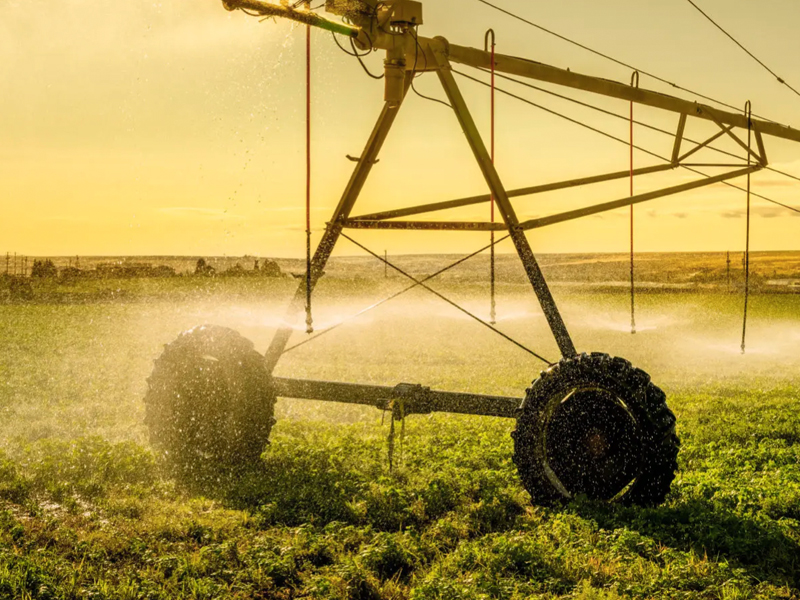
There is a critical need for policies and concrete investments to preserve agriculture producers’ access to this precious resource so that British Columbians can benefit from reliable access to healthy, affordable, locally produced food and increase food security.
Provincial food security relies on predictable water availability and for several years now, adverse climate events brought the agriculture sector unrelenting heat, devastating wildfires, catastrophic floods and prolonged dry spells. Water scarcity hinders crop growth, affects forage availability for livestock and, as a result, farmers and ranchers are suffering significant production losses.
Why an Agricultural Water Reserve
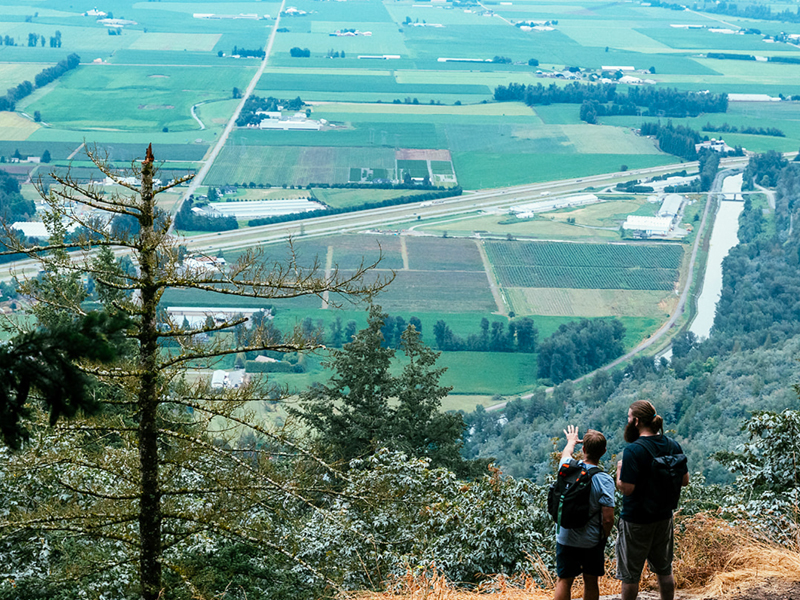
Water should be prioritized for agricultural production at a level consistent with that of drinking water.
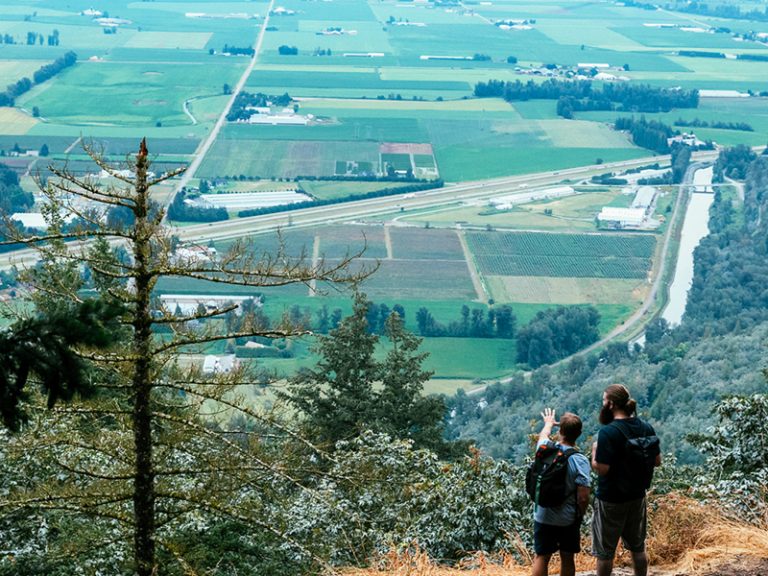
Modelled after BC’s Agricultural Land Reserve, Agricultural Water Reserves (AWRs) will protect access to water in agricultural regions across British Columbia, ensuring farming and ranching has priority access during times of drought or water scarcity.
AWRs will help to protect and enhance food security in BC, foster generational sustainability for agriculture, and ensure hard-working farmers and ranchers have the financial stability they need to survive and thrive.
What else can be done?
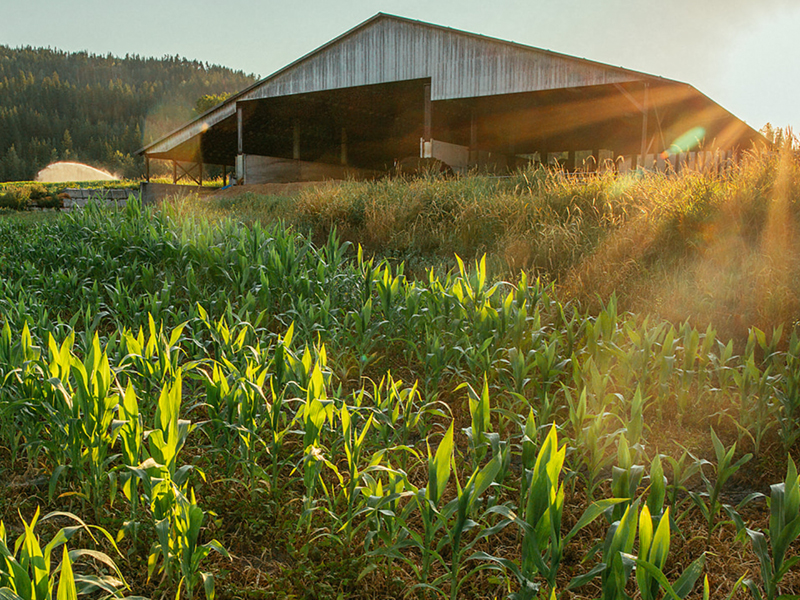
Ensure reliable access to safe water for agricultural production. This includes the adoption and implementation of legislation and regulations that recognize agriculture as a distinct category of water use. At the local and regional level, Water Sustainability Plans should be developed in close collaboration with farmers and ranchers to ensure both food and water security for affected communities.
Create supports for large-scale water storage on farms and ranches, upgrade and modernize existing water infrastructure, and invest in community-level water infrastructure, including reservoirs, to ensure water availability.